
"We voted 37 to 13. I was one of the 13. By the end of the first month, I was out there every evening with my daughter. I was wrong, and I am glad I was wrong."
A Resident, Flat No. 402, A Residential Society, PuneThe vote was 37 to 13. A society of 50 families in a mid-rise complex on the eastern fringe of Pune — a simple majority had approved two badminton courts in the ground-floor open area. For six years, that space had been nothing more than cracked concrete, two broken benches, and a corner where two-wheelers quietly piled up. (Figures are indicative and vary by area, site condition and specification — request a free itemised estimate.)
The 13 who voted against were not being difficult. Their concerns were reasonable — noise after 9 PM, ball marks on parked vehicles, a maintenance fund already stretched thin by a recent lift repair. The RWA president, a retired banker, had heard every objection, logged them carefully, and still called it in favour. "If we wait for everyone to agree," he told the AGM, "the concrete will outlive us all."
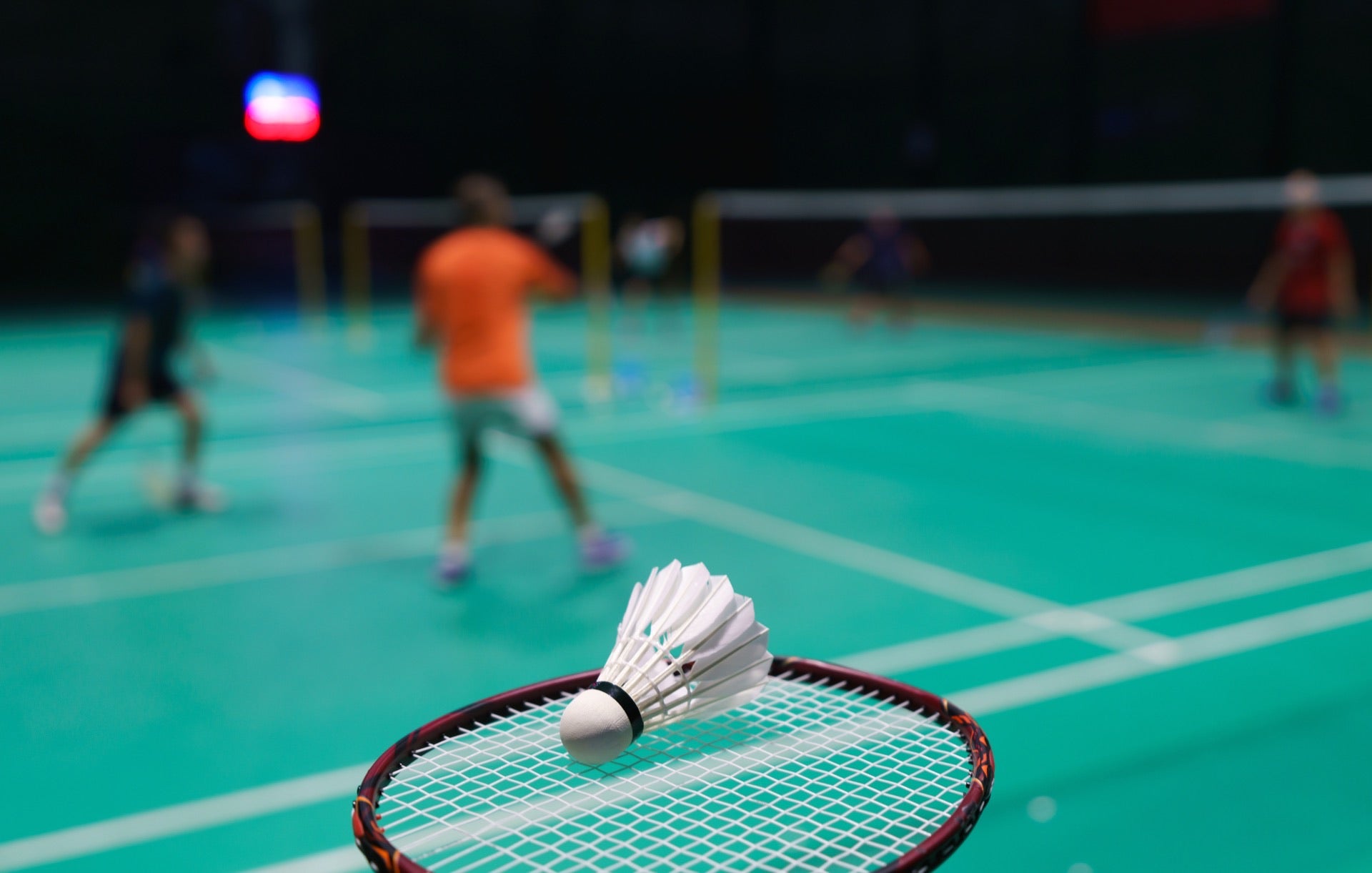
The thing is, the challenge was not just about building two courts in a tight urban space. The available area was exactly 2,600 square feet — two BWF-standard badminton courts with run-off zones, but only if the placement was precise. The bigger challenge was building something that would convert the 13. That meant the courts had to look professional, feel fair underfoot, and be quiet enough that residents on the ground floor could sleep.
PP interlocking tiles were the right call here for two specific reasons — and neither of them was just about looks. First, the tiles absorb impact differently from bare concrete. The flex in each tile's sub-surface geometry reduces the hard slap of a shuttlecock drop, which brings down the bounce noise that bothers neighbours. Second, the installation needed no wet materials, no curing chemicals, no heavy machinery coming into the residential compound. A rubber mallet and six workers. Nothing to alarm the building secretary.
Colour selection became a small event in itself. The RWA president called an informal show-of-hands vote among residents who wanted to participate. Green won for Court 1 — it reminded several residents of the grass courts at a club nearby. Red won for Court 2 — energetic, visible, and, as one teenager in the building pointed out, "it will look insane in photos."
Two courts of 1,300 square feet each. 308 perimeter kerbs total — 154 per court — and 8 corner pieces. Court markings in white for BWF singles and doubles lines, all painted in one session. The kids helped choose where the net posts would go. The crew noted that quietly — because when kids feel ownership over a space, they take care of it.
The team reached site on a Wednesday morning. The concrete base had been assessed two days earlier and was in good condition — minor cracks sealed with polyurethane filler on Tuesday afternoon. By the time the crew arrived at 7 AM Wednesday, the filler had cured and the slab was ready to go.
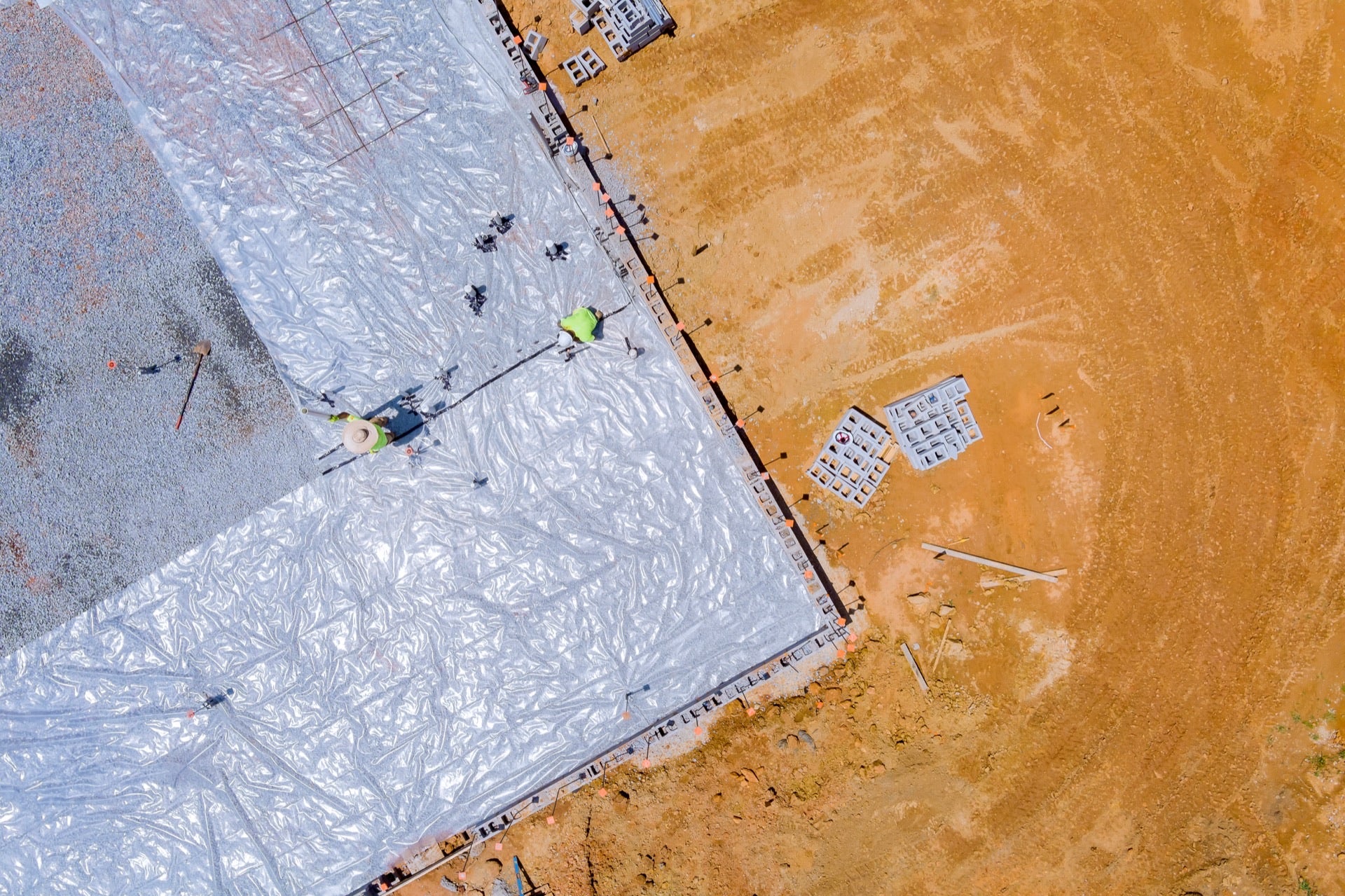
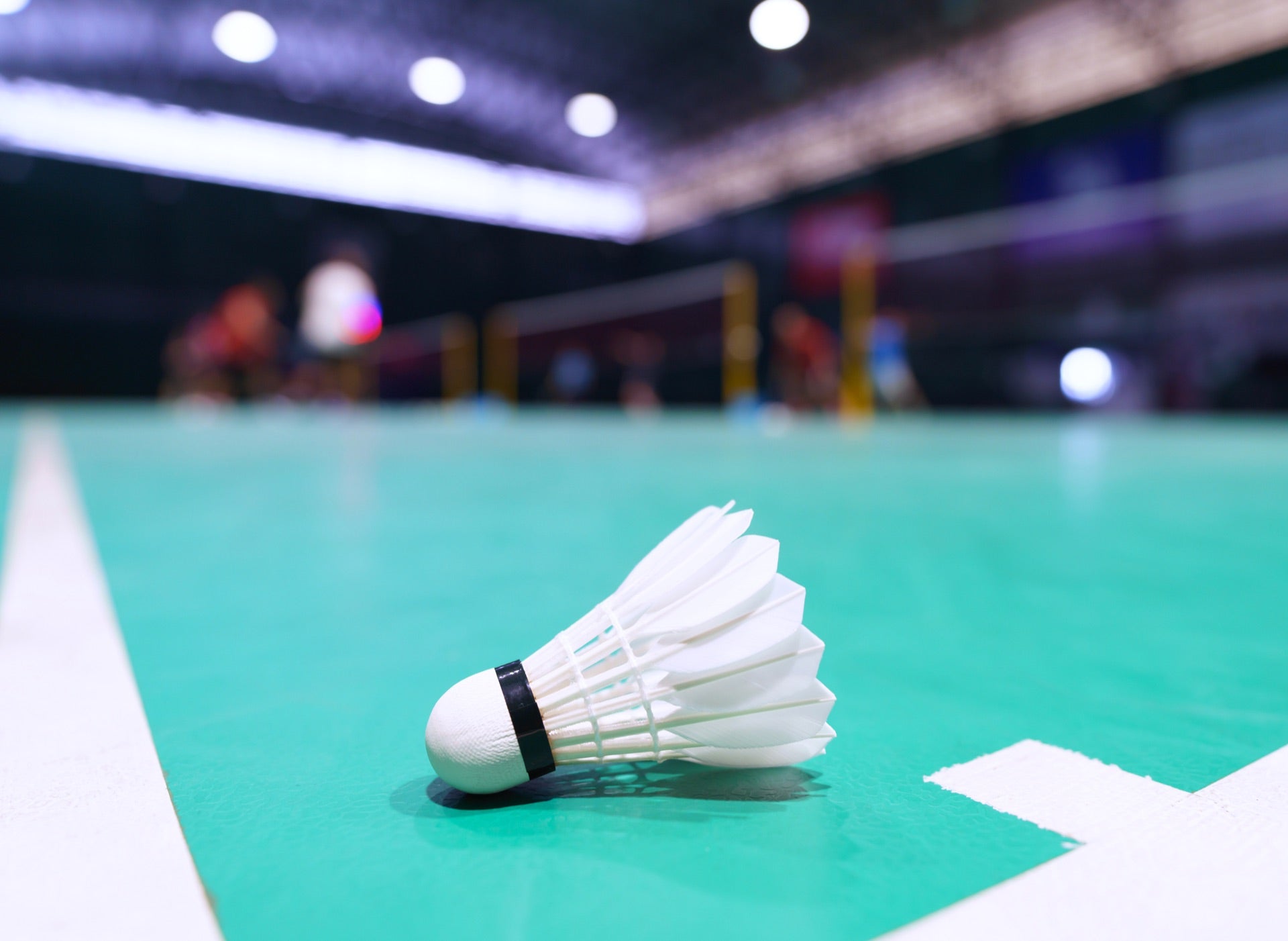
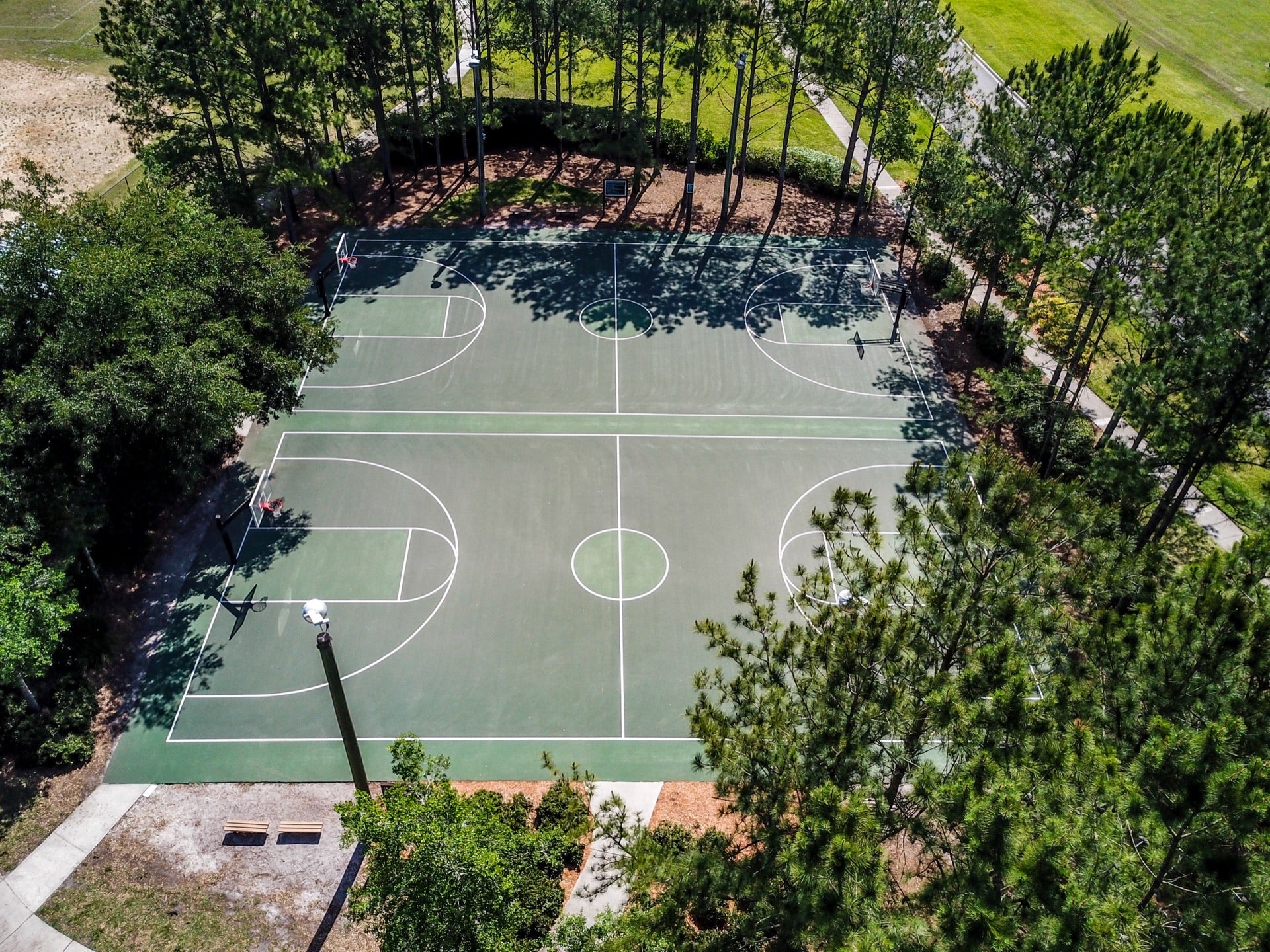
All images are illustrative placeholders and will be replaced with actual project photographs.
Within seven days of the courts opening, 34 residents had played at least once. The morning aunties group — three women from the building who had been waiting for a non-gym activity — claimed the 6–8 AM weekday slot within 48 hours. By the third week, a coaching batch for building children had started informally, run by a retired school PE teacher who lived on the fifth floor. Within a month, that batch had 22 registered children and a waiting list.
The first inter-building tournament was announced six weeks after installation. Six societies from the surrounding area participated. The RWA president, who had pushed for the courts in the first place, umpired the final. The resident from Flat 402 — one of the original 13 dissenters — reached the semi-finals with her daughter.
"The noise is nothing. The laughing is a bit much sometimes, but that is a good problem to have. The 13 of us had a meeting after the first month. We did not need a vote this time."
A Resident, Flat No. 402, A Residential Society, PuneThe RWA ran a satisfaction survey across all 50 households at the 90-day mark. 94% rated the project as either "good" or "excellent." The two lowest ratings came with handwritten notes — both asking for floodlights to be added next.
Product specifications: PP Interlocking Tiles at ₹105–115/sqft (supply). Kerbs at ₹25/piece, corners at ₹15/piece. 5-year warranty, 15+ year lifespan. Colors subject to availability; made-to-order colors carry a 14-day lead time. Court dimensions are BWF standard (1,300 sqft per court with run-off). All project details shared with society consent. Society name withheld at client request.